

8 BEAUTIFUL HORROR FILMS
15/1/2018
 For casual observers, horror probably seems unconcerned with creating works of beauty, and far more likely to induce nausea than wonder. This is a shame. Without horror we would have none of the morbidly gorgeous work of Poe or Clive Barker, no unsettling art from Goya or Bosch, and none of the harrowing delights of these pieces of music. In a genre so driven by aesthetics and powerful emotions, horror is the perfect vehicle for creating visions of dark beauty. Alongside fantasy, the horror genre contemplates the unknown and reaches out to touch the paranormal and mysterious – and sometimes, horrific imagery becomes even more uncomfortable when cosied beside something visually pleasing. Of course, you won’t find beauty in every horror film out there, so where amongst the popping brains, teen slaughter-frenzies, blood-sprayed titties and lumbering demons can we unveil something that shines with grace and elegance? Let’s find out. As usual, this is anything but a definitive list, and just represents my own narrow field of view. I just hope that anyone reading this will offer their own examples in the comments, and let the rest of us discover ever more unsettling and beautiful horror. Let the Right One In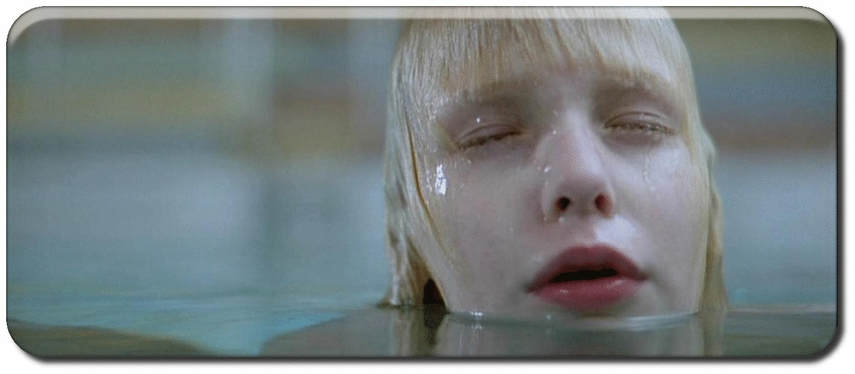 I’ll start with modern masterpiece that is as simple as it is unique. Sombre, unsettling, and peppered with unforgettable imagery, Let the Right One In is equally like a dark fairy tale as it is a horror film. Set against a gorgeous backdrop of the snow-buried Swedish winter, this tale of the eternally-12-year-old Eli and her troubled new companion Oskar is tragic and violent, but told with aching tenderness. It is hardly a story about a child who loses his innocence; the first time we see Oskar, he is holding a lethal-looking knife and fantasising about murder. Oskar’s parents and bullies have already taught him neglect and cruelty, so, rather than falling from grace, Oskar finds love and perhaps obsession in its stead. Some of the beauty here comes from the story’s take on the “coming of age” trope, as well as the persistently vivid white of the snow which contrasts with the darkness at the tale’s heart, and the glutinous reds that often stain the screen. Antichrist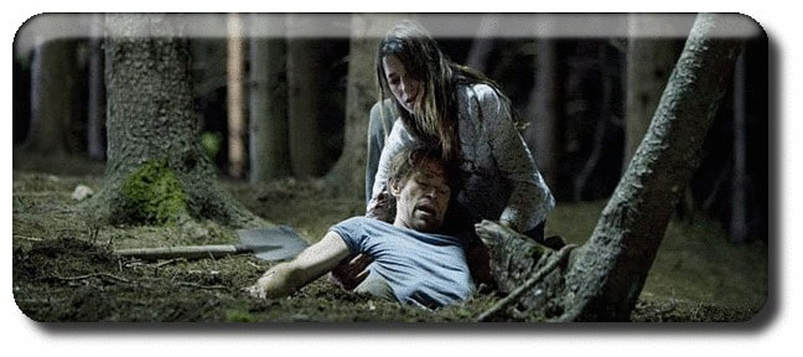 Let’s not pretend here: in many ways, this is one of the ugliest films I’ve ever seen, both image-wise and theme-wise, as well as one of the most distressing, and most violent. However, there are also images here that are ethereally beautiful, and camera shots that step way beyond typical horror to venture boldly into art. Lars von Trier’s Antichrist makes up one part of his “Depression Trilogy”, and focuses on the decision a grieving couple make to hide themselves in a shack in the woods to overcome the loss of their baby. Seeing as this is a horror film directed and written by Lars von Trier, things do not go well. This is another tale of contrasts, where violent sex and the ravages of mental illness rest naturally alongside some of the most astoundingly gorgeous cinematography I’ve ever seen. The opening in particular, where the couple’s lovemaking takes place alongside the falling death of their curious baby, is near-perfectly composed. It’s arguably a pretentious scene, playing like a cross between a fragrance advert and an arty porno, but its unsettling beauty can’t be denied. Candyman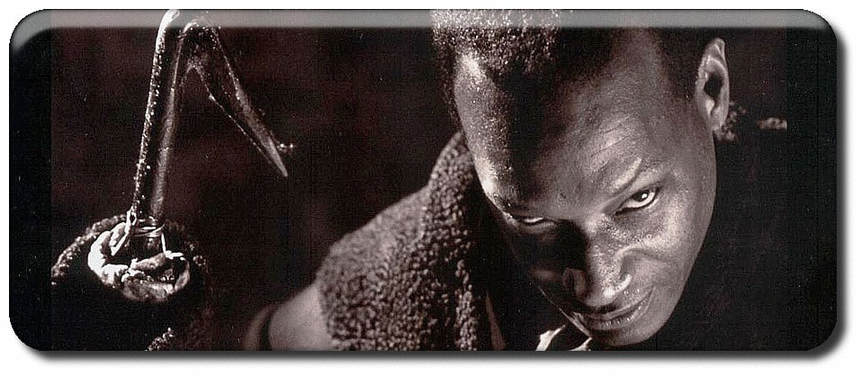 For me, Candyman triumphantly stands the test of time. Tony Todd’s iconic portrayal of the tragic, terrifying, inescapable Candyman stands at the centre of the film, and it could have been a far lesser movie with the titular role in the hands of someone else. Phillip Glass’s haunting piano score adds an eerie sense of inevitability to the proceedings, and the dreamlike shots of the city architecture contrast well with the all-to-real visions of urban decay seen throughout the film’s fictional project neighbourhood, Cabrini Green. There is a beauty to the structure of Candyman, where belief and rumour, death and the newly born, redemption and revenge all intertwine in the most eloquent of ways. Bram Stoker’s Dracula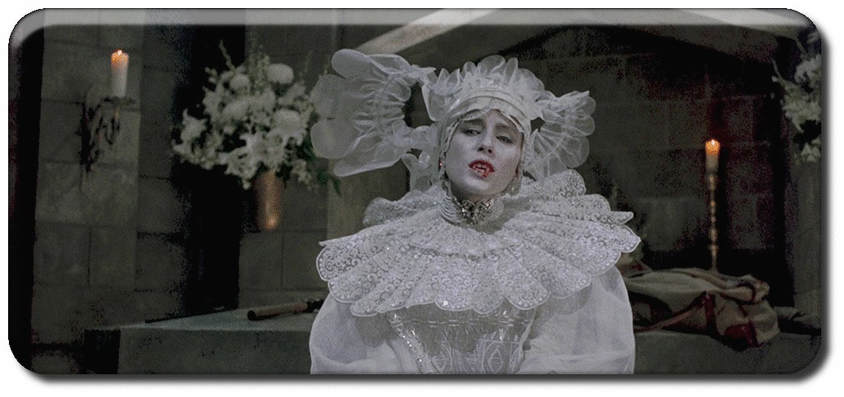 With its legendary director and all-star cast, even Keanu Reeves’ clunky English accent couldn’t overshadow the sumptuous wonder of Francis Ford Coppola’s interpretation of Dracula. Teeming with style, romance, and Gothic grue, the film is an exaggerated personification of the horror genre. Countless tropes were invented in the book and are faithfully translated to the screen here, and while the “I vahnt to dlink your blaaaaaahd” cliches are dated, they are filmed with panache and performed with full-throttle dedication. This is big-budget horror at its most overblown and visually sublime. Tetsuo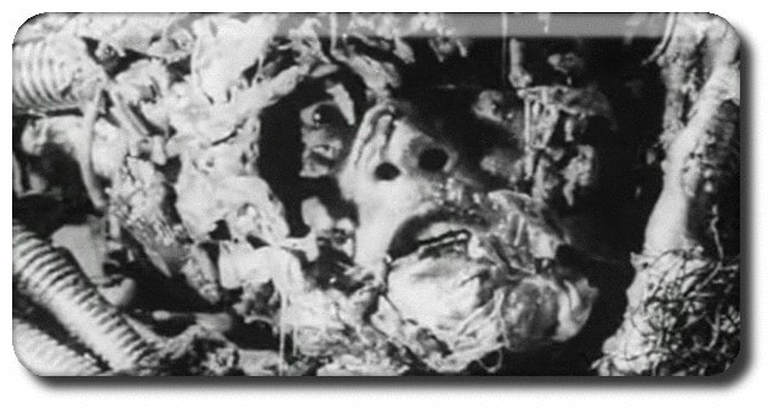 I was 50/50 about whether to include this one, because of how opposed it seems to traditional versions of beauty. It was a comment in a review that changed my mind which, paraphrased, read something like: “Pause any moment of Tetsuo and you will find a fully realised, perfect image that is ready to be framed.” It’s true. Shinya Tsukamoto may have had a low budget, but money could never have bought the kind of care and attention that he delivered to his grotesque vision of sexualised blood and metal. On the surface, the plot is simple: a man encounters a metal fetishist, accidentally kills him, and then gradually becomes a being partially composed of rust and metal. However, this appraisal does nothing to suggest the hyper-kinetic, surreal, bizarre, industrial and artistically-composed nightmare of Tetsuo. It may last just over an hour, but this remains one of my most intense movies, even after repeat viewings. There’s also a drill-dick and a bloke getting bummed by a metal snake. Brilliant. Pan’s Labyrinth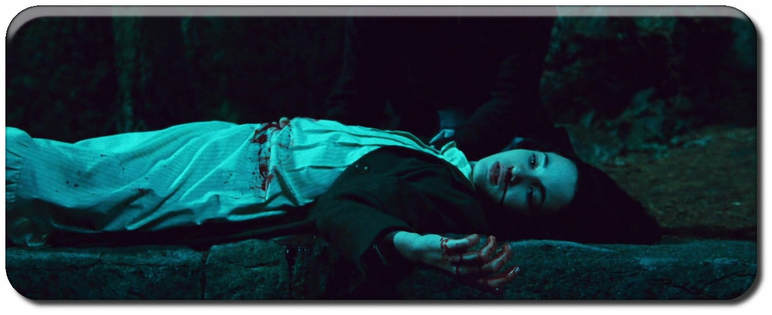 Another pick that isn’t quite a full-blown horror, but is just as grisly and disturbing. If anything, this is the darkest of fantasy films, and feels almost like a Henry Fuseli painting come to life. Guillermo del Toro’s direction is exceptional here, adding an other-wordly feel to every scene, regardless of whether it takes place in the “fairy realm”, or reality, or perhaps both. Melding the grotesque with the graceful, scenes such as the one featuring the child-eating Pale Man, with his detachable eyes and unnatural frame, and any that feature the enchanting but creaky, unnerving faun, encapsulate what I consider to be beautiful horror. Del Toro’s The Devil’s Backbone could have easily made it to this list instead, but Pan’s Labyrinth tops it for me. Excision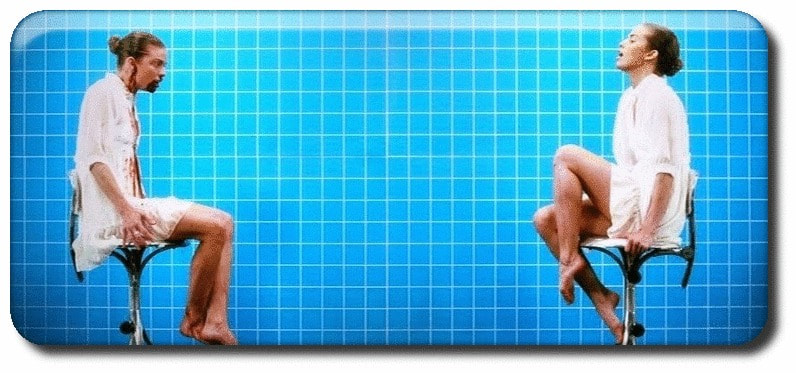 I’ve seen Excision three times, and so I now feel like I can “officially” call it one of my favourite films. Pauline is not your average young woman. She is obsessed with, and aroused by, blood and the dead. She wants to become a surgeon, and practices her fledgling craft on roadkill. She is also plagued by some seriously deranged – and yet, to me, quite beautiful – visions, and it is these lushly composed, sometimes sexy, sometimes funny, always disturbing sights that qualify Excision to appear in this article. The contrast between the dullness of suburbia and Pauline’s graphic imagination is balanced and disconcerting, and the cutting dialogue shared between Pauline and her mother is hilariously well-observed. While I would suggest that all of the films listed here are well-made and unique, the genre-bending nature of Excision, as it veers from awkward comedy to drama to coming-of-age tale to delirious full-blown horror make it entirely unique – yet for all its eccentricities and surreality, I don’t think there is a single moment that forces me to suspend my disbelief. It’s a tragedy about a disturbed young woman whose isolation and presumed mental illness propel her ever closer to something terrible, and the strength of the cast along with the masterful direction and carefully-observed script raise what could have been a poorly-handled mess into a spectacular, and at times visually-blissful, triumph. Lady Vengeance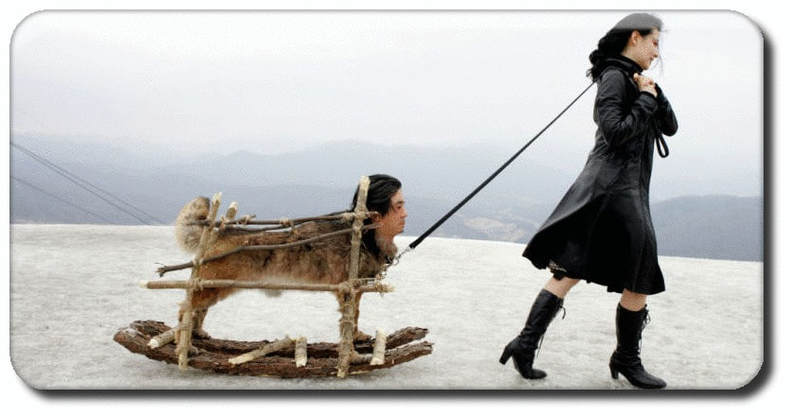 To state the obvious: Park Chan-Wook knows how to direct. The South Korean auteur has a distinctive flair for brutal, poignant films, and uses style-soaked imagery to tell stories that I would argue always include substance as well as unique aesthetics. With an awesome array of films under his belt including Oldboy and Thirst (which could all be called beautiful), it should have been difficult to choose a favourite. However, Lady Vengeance resonated with me to a heavier emotional degree than any of the others, and was for me unforgettable. Lady Vengeance was the third and final part of Chan-Wook’s “Vengeance Trilogy”, and is a shattering experience. Striking from start to finish, the film begins in a disorientating fashion and ends with a blunt, unflinching finale that is difficult to shake off. I’m no film student, but the colour palette and composition of shots used throughout makes this, and every other of his films, a poetic experience. Which horror films do you think of as being “beautiful”? Which would you put into your list? Let us know in the comments!   HORROR FICTION REVIEW: UNQUIET WATERS BY THANA NIVEAU
|


Archives
April 2023
|
 RSS Feed

|

|