

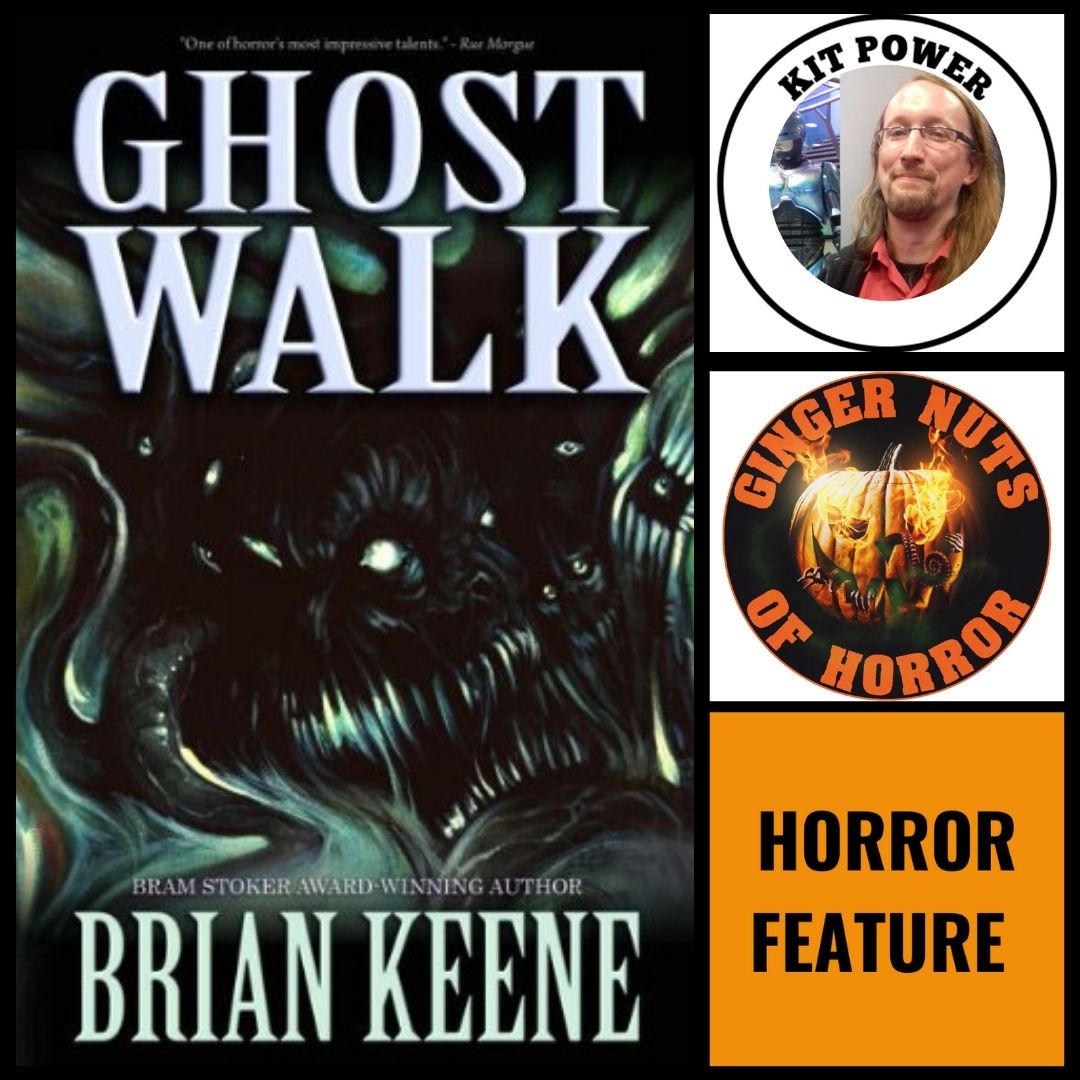
15: Ghost Walk BY BRIAN KEENEBack when I was discussing Shades (co-authored with Geoff Cooper), I discussed how much I was looking forward to further narratives featuring Levi Stoltzfus, the strange, sad magician whose path to victory over the forces of darkness is kind of the definition of pyrrhic. I was also pleased to be revisiting the setting of Keene’s blood-on-the-page story, Dark Hollow: LeHorn’s Hollow felt like a setting that wasn’t even close to played out, following the events of that book, and so it proved to be. The novel features three main protagonists; in addition to Levi, we are introduced to Maria Nasr, freelance journalist for various outlets, including the local York Dispatch, and Ken Ripple, who is a relatively recent widower, working his way back to the world by designing and organizing the ‘Ghost Walk’; an outdoor halloween attraction to raise funds for women’s cancer research. And, of course, the perfect local setting for said attractions is obvious; the vast woods surrounding LeHorn’s Hollow, most of which, we are not-at-all reassuringly informed, survived the fire of a few years back. I swear, by now, you’d think the poor sods would have some kind of inkling they were in a Brian Keene story. But the story doesn’t start there. It starts, in true, glorious pulp horror fashion, with a lone poacher (down on his luck does not even begin to cover it) discovering (or being drawn to) a strangely carved rock in the heart of the burned out hollow. And it’s an instant classic. Keene’s always notable talent for drawing swift yet deep character portraits feels to have taken a step change in quality with this story; Richard Henry might look like a cliche in summery - blue collar, lost his son in Iraq, drink problem, ex-wife, no job, spiraling debt… and, though he doesn’t have the language for it, a crushing depression that is leading him to a state of near-constant suicidal ideation. I’ve talked before about how Keene writes blue collar characters like few others, and this opening chapter really is an exemplar of what I’m talking about; long before the supernatural nasty starts doing the tango up and down your spine, here’s this guy, and life has just crushed him. The arbitrariness of it, just an ordinary person subjected to unbearable pressures by forces entirely outside his control; it’s brilliantly observed, empathic without being sentimental or pitying, and when the darkness inevitably claims the man at the end of the chapter, there’s an awful way in which it’s like the poor sod has come home at last. Oh, and let’s talk about the Big Bad, here, because it’s something of a treat: no less than the nameless entity that is the most powerful of The Thirteen - the core forces of apocalypse that form the center of the Brian Keene multiverse. Appropriately enough, it either is not or cannot be named, and it’s nothing more or less than darkness incarnate. Thanks to LeHorn’s use of magical portals, the walls between worlds around The Hollow have become weakened, and now, The Darkness has found a possible route into our world. The walls are weakest at Halloween (because of course they are), and that darkness is out to recruit living puppets to ensure that come the day, it will be unleashed and destroy, well, everything. What’s interesting is the mode of that possession: unlike the Squism of The Rising series, this force doesn’t animate dead flesh; rather, it obliterates the souls of it’s vessels before inhabiting them. And it does this by showing them the essence of their deepest loss, an avatar of their despair, and then simply removes everything that makes them them. Now, as metaphors for depression go, it’s not exactly subtle. What I think is more subtle is the inference as the story progresses that every person carries within them the capacity for such despair, some deep regret so powerful and irreconcilable that, under the wrong circumstance, any one of us could become overwhelmed, consumed by the darkness. There but for the grace of… well, let’s maybe hold that thought. The novel is well paced, with scenes of the three protagonists, each with a few pieces of the puzzle, slowly figuring out the big picture (Levi, admittedly, holding more pieces than most, as you’d expect) intercut with the darkness claiming more and more vessels, building to the inevitable climax when the big day for the Ghost Walk arrives and the visitors get rather more than they reckoned for. In keeping with the themes of despair, Levi’s only solution to the catastrophe involves breaking Adam Senft - the author and POV character from Dark Hollow - out of a secure unit for a dangerous ritual, which, like in Shades, ends up requiring rather more of the participants than they might have bargained for. And for me, as much as Maria and Ken are well realised characters that I enjoyed spending time with, it’s Levi who captivated my imagination once more. His magical system is Old Testament, but it’s the way that sits alongside his morality and faith that I find so fascinating; here’s a man who sincerely believes in the divine, and that he will have to atone for his sins in the next life… and he uses deceit and manipulation to force (relative) innocents into positions of sacrifice in order to save the world. Dude is complex, in other words, and I like how Keene never takes the easy path with him, either having him be too callous or too pious; Levi feels the weight of what he does keenly; at the same time, when he sees what he believes is the correct path in front of him, he doesn’t hesitate. This makes him a brilliant protagonist, and I look forward to future appearances with great interest. Overall, I found Ghost Walk to be superb; tons of heart, characters that leapt off the page, and the classic pulp horror collision of ordinary, recognisable people with impossible circumstances. The prose is as lethally readable as ever, and even the always-tough ‘infodump’ segment was relatively smooth this time; perhaps because it doubled as a character moment, with Levi desperately trying to convince Maria of the scale of the threat they were facing. I also really dug that threat this time out; the method of corruption required Keene to dig deep into all the characters, looking for that one shameful thing, or one great loss, that had the power to destroy them. The implied thesis of the story - that all of us have such a seed inside us, that we should take care not to give too much water or light - is something I find extraordinarily unlikely won’t pop up in my own work at some future date. As Ligotti said, consciousness is the real horror story, and with Ghost Walk, Keene gives us a glimpse of what that darkness, left unchecked, could do to any of us. Or all of us. Next up, we're back to The Flood, with Earthworm Gods: Selected scenes from the end of the world. Looking forward to it. KP 24/5/21 GHOST WALK BY BRIAN KEENE 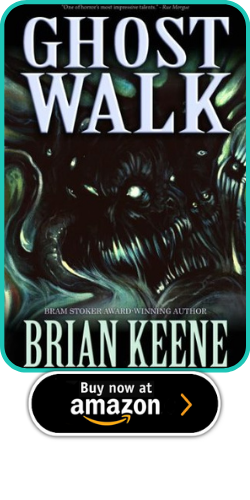 There are all kinds of legends about the forests of Central Pennsylvania, and in this sequel to DARK HOLLOW, the truth about those legends is finally revealed. Halloween is coming, and a new haunted attraction is open for business in LeHorn's Hollow. Folks will come from miles around to walk down the spooky trail and get scared witless. But there's one thing the owners of the ghost walk haven't counted on. There really is something waiting in the woods-a vast, ancient evil whose hunger threatens to consume all life on Earth. Soon, the unsuspecting customers will pay their money and get in line... to die. And only one man, occult detective Levi Stoltzfus, can save them and stop the evil before it is unleashed. TODAY ON THE GINGER NUTS OF HORROR WEBSITE QUEER OWNED INDIE PUBLISHER ARTEMISIA'S AXE LAUNCHING MAGICAL HORROR ANTHOLOGYTO DUST YOU SHALL RETURN BY FRED VENTURINI (AUTHOR INTERVIEW) THE HEART AND SOUL OF HORROR FICTION REVIEWS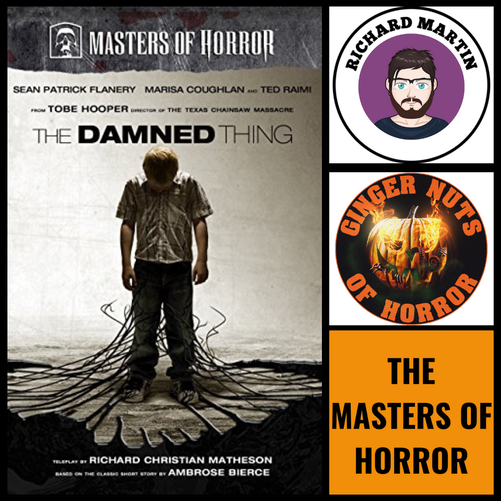 We are living in a golden age of horror on TV. Shows like ‘The Walking Dead’, ‘Supernatural’ and ‘American Horror Story’ have effectively taken the genre mainstream, offering weekly doses of gore and mayhem to the masses. Go back a decade or two however, and genre fans had far fewer options to choose from. Anthology shows, like ‘Tales From the Crypt’, ‘Monsters’ or ‘Tales From the Darkside’ were king during the horror heyday of the 1980s, providing cheesy and cheerful tongue in cheek horror in half hour bites. It wasn’t until 2005 that the TV horror anthology show got serious, and delivered arguably the most consistent, memorable and scary anthology show to date. The brainchild of horror legend Mick Garris, the show’s title is no hyperbole. ‘Masters of Horror’ brought together the best horror talent Hollywood (and beyond) had to offer. Episodes directed by undisputed genre luminaries such as John Carpenter, Tobe Hooper, Dario Argento and Stuart Gordon were like hour long movies brought to your TV screen. High production values, A-List talent and a free reign to do whatever they pleased resulted in some truly unforgettable work from a group of horror legends let off their leash. These are stories that have stayed with me in the fifteen years since many initially aired and, in this series, I’ll be revisiting all twenty-six episodes, one at a time, to shine a light on a fondly remembered and undeniably influential moment in horror TV history. Join me as I take a look back at; The Damned Thing Directed by: Tobe Hooper Starring: Sean Patrick Flanery, Marisa Coughlan, Brendan Fletcher, Ted Raimi Original Air Date: 27 October 2006 Synopsis: A small town Sheriff is haunted by the memory of the brutal murder of his father at the hands of an unseen force as a child, and fights to save his family from the same creature in present day. RICHARD MARTIN REVISITS THE MASTERS OF HORROR:THE DAMNED THING DIRECTED BY: TOBE HOOPERWay back in my write up for episode two, I talked about how Tobe Hooper’s episode ‘Dance of the Dead’, while holding up better than I expected, has never been one of my favourite episodes of the series. ‘The Damned Thing’ on the other hand, I have very fond memories of. In terms of plot, my recall from my initial viewing was vague, but there are some set-pieces in this episode that are pretty damn unforgettable, and I was looking forward to getting round to this episode for this series of articles to see if it justified these positive recollections. Things get off to a promising start with a tense and sincerely scary opening that disorientates while events spiral out of control quickly and without warning, culminating in a memorably gory scene. The episode opens on a husband and wife sitting down to dinner with their young son, the camera never keeping still as it pans round and round the table as the family indulge in some idle chit chat. The mother and son get up to surprise the dad with a birthday cake, but he has a surprise of his own waiting for them. There are lots of subtle clues that something is not quite right and they get more overt as we see a black stain spreading across the ceiling as the father walks in, shotgun in hand, his face a mask of regret and misery. The mother and son aren’t quite sure what to make of this odd turn of events, until the father turns the gun on her, all but cutting her in half in a shocking moment that breaks the tension and kicks things off. The son races out the door, dad in pursuit, and it seems like he’s done for when the father corners him at the edge of their house, but an unseen force intervenes at the last minute, pushing the father against the door of his truck and literally tears him to pieces. It’s a great practical effect that looks fantastic on screen and leaves us with plenty of questions as we fast forward twenty-four years. The young boy is now grown up and is Sherrif, played by Sean Patrick Flanery, of the same quiet town he grew up in. He spends his days sitting in his cruiser and eating at the diner with his deputy (Brendan Fletcher). His trauma of the events of his childhood has soured his marriage with Dina (Marisa Coughlan) and young son, as his obsession with protecting his new family from the monster that destroyed his old one is, ironically, the very thing that has driven them away. This was one of those episodes where a lot of the cast were instantly recognisable. Ted Raimi, who has a great extended cameo as a priest, is a familiar face to horror fans, and Brendan Fletcher, who plays the towns scene-stealing, would be cartoonist deputy, is no stranger to horror, having starred in ‘Freddy vs Jason’ before Masters of Horror, and the Uwe Boll directed ‘Rampage’ series shortly after. Throw in ‘Boondocks Saints’ star Sean Patrick Flanery and bonafide movie star Marisa Coughlan as his estranged wife, and you have a very impressive group of actors, especially for a cable TV show. The Sherriff’s twenty-four year-long concern over the Damned Things return turn out to be justified, as strange events start occurring all across the town. Residents become enraged for no apparent reason, either taking their own life or lashing out at those around them. The most impactful example is a cut to a man out by the side of his house, fixing his ladder. The sun is blazing and you assume that the heat is making him irritable as he starts to lose his composure, hitting himself in the hand with the hammer he’s using to nail the steps back into place. He takes his rage out on the ladder with the hammer, lashing out at it wildly. Then, out of nowhere, he then starts to manically smash himself in the face with it. It’s very well shot, the bright sunshine making the hammer and the streams of blood coming off him gleam, and it makes it so much more shocking to watch. As an adaptation of the classic Ambrose Bierce story, it is a very loose one. While the story was more of a ‘weird tale’ than outright horror and focused largely on the aftermath and inquest rather than the event itself, Hooper has his camera trained on the bloodshed and mayhem from the very start, taking the broad concept of the short and running with it, much like Stuart Gordon did with his Lovecraft adaptations. As much as I like the Bierce short, I think Hooper’s more brutal and overt approach works fantastically well for the screen. The episode goes full-on ‘Needful Things’ by the end, every single one of the towns residents both terrified of being the next victim of this unseen intruder and angry enough to make someone the next. The creature that took the Sherriff’s parents over two decades ago is revealed to be part of a family curse, one that took his father, and his father before that, and has now come for him, and has no qualms about killing half the town to get to him. Will the Sherriff find a way to break the curse and save the town, or is it doomed to continue, taking him then coming back for his son twenty-four years later? I’m not telling… I did have my issues with the episode, but they were minor and didn’t spoil my overall enjoyment. There is a voiceover that runs throughout the episode, only cropping up very occasionally and, in my opinion, unnecessarily, and I found it oddly jarring when it was there, particularly in the Sherriff’s closing scene. The manner in which we get fed information about the titular ‘Damned Thing’ also feels a little redundant, as the events of the story fill in the gaps we need and the rest just drags the pacing down. These are small quibbles, only noticeable because the rest of the episode works so well. Overall, I enjoyed this episode a lot more than Hooper’s first season offering. The concept is a fun one, and the creature and its motivations are kept wisely vague for the most part. The cast are great and the episode is surprisingly ambitious and big in scale. As much as I enjoyed the story, it’s the gory set pieces that stay with you. This is the polar opposite of Hooper’s best-known work (Texas Chainsaw Massacre) where a lot is suggested, but there is surprisingly little violence, and it’s the dark and dirty tone that gets under your skin. With ‘The Damned Thing’, the violence is front and centre, well lit and gloriously over the top. It’s a strong opening episode for an underrated season two of the series. Join me next time as I’ll be looking at episode two of the second season, John Landis’s ‘Family’. See you then! 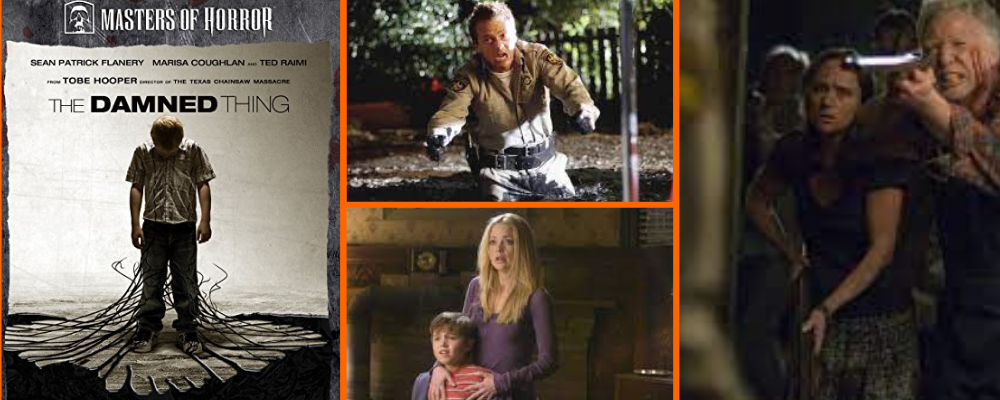 As an adaptation of the classic Ambrose Bierce story, it is a very loose one. While the story was more of a ‘weird tale’ than outright horror and focused largely on the aftermath and inquest rather than the event itself, Hooper has his camera trained on the bloodshed and mayhem from the very start, taking the broad concept of the short and running with it, much like Stuart Gordon did with his Lovecraft adaptations. As much as I like the Bierce short, I think Hooper’s more brutal and overt approach works fantastically well for the screen. The episode goes full-on ‘Needful Things’ by the end, every single one of the towns residents both terrified of being the next victim of this unseen intruder and angry enough to make someone the next. The creature that took the Sherriff’s parents over two decades ago is revealed to be part of a family curse, one that took his father, and his father before that, and has now come for him, and has no qualms about killing half the town to get to him. Will the Sherriff find a way to break the curse and save the town, or is it doomed to continue, taking him then coming back for his son twenty-four years later? I’m not telling… I did have my issues with the episode, but they were minor and didn’t spoil my overall enjoyment. There is a voiceover that runs throughout the episode, only cropping up very occasionally and, in my opinion, unnecessarily, and I found it oddly jarring when it was there, particularly in the Sherriff’s closing scene. The manner in which we get fed information about the titular ‘Damned Thing’ also feels a little redundant, as the events of the story fill in the gaps we need and the rest just drags the pacing down. These are small quibbles, only noticeable because the rest of the episode works so well. Overall, I enjoyed this episode a lot more than Hooper’s first season offering. The concept is a fun one, and the creature and its motivations are kept wisely vague for the most part. The cast are great and the episode is surprisingly ambitious and big in scale. As much as I enjoyed the story, it’s the gory set pieces that stay with you. This is the polar opposite of Hooper’s best-known work (Texas Chainsaw Massacre) where a lot is suggested, but there is surprisingly little violence, and it’s the dark and dirty tone that gets under your skin. With ‘The Damned Thing’, the violence is front and centre, well lit and gloriously over the top. It’s a strong opening episode for an underrated season two of the series. Join me next time as I’ll be looking at episode two of the second season, John Landis’s ‘Family’. See you then! If you missed any of Richard's previous Revisting The Masters of Horror articles, you can find links to them all here on our handy landing page THE MASTERS OF HORROR  Richard is an avid reader and fan of all things horror. He supports Indie horror lit via Twitter (@RickReadsHorror) and reviews horror in all its forms for several websites including Horror Oasis and Sci Fi and Scary TODAY ON THE GINGER NUTS OF HORROR WEBSITE LUKE ETHAN KNIGHT IS NOT READY FOR AN EARLY RETIREMENT (AUTHOR INTERVIEW) THE HEART AND SOUL OF HORROR FEATURES 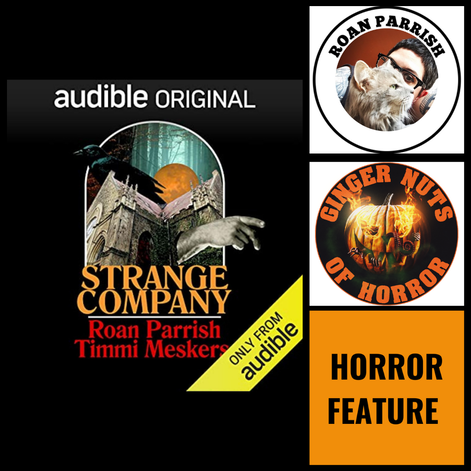 The Ginger Nuts of Horror website is proud to bring you news of a new queer horror collection from Roan Parrish, that blends music and prose to bring its haunted worlds to life. Scroll down to find an exclusive audio extract from this collection. ARE YOU BRAVE ENOUGH TO SPEND TIME WITH STRANGE COMPANYPrepare for a chilling journey from a ruined church in Philadelphia, where the spirit that lurks is far from benign to a Prohibition-era New Orleans jazz club, where a young man finds the love of his life - if he can live through the night; from a Detroit cemetery, where teenaged rituals have unforeseen consequences to a deserted beach in an unknown place, where two sisters let the ocean decide their fate; from the Jersey Shore, where the magic of a wistful summer could tear reality apart to a Michigan high school where a teenager finds the mystery man of his dreams who’s with him everywhere - and forever. Written by Roan Parrish and with original music by Timmi Meskers inspired equally by the baroque and by 1980s horror movie soundtracks, Strange Company explores the places where the ordinary world breaks down into the inexplicable, the maddening, the dreadful. “Strange Company is a wonderfully creepy and endlessly inventive collection of dark tales! Roan Parrish conjures real darkness here. Highly recommended!” (Jonathan Maberry, NY Times best-selling author of Ink and V-Wars) "These are the queer horror stories I've been waiting for." (Kristy Logan, author of The Things We Say in the Dark and The Sound at the End) Audio excerpt of Sea Legs by Roan Parrish Audio sample provided courtesy of Audble.com  Roan Parrish lives in Philadelphia, where she is gradually attempting to write love stories in every genre.
When not writing, she can usually be found cutting her friends’ hair, meandering through whatever city she’s in while listening to torch songs and melodic death metal, or cooking overly elaborate meals. She loves bonfires, winter beaches, minor chord harmonies, and self-tattooing. One time she may or may not have baked a six-layer chocolate cake and then thrown it out the window in a fit of pique. For more info check out Roan's website here
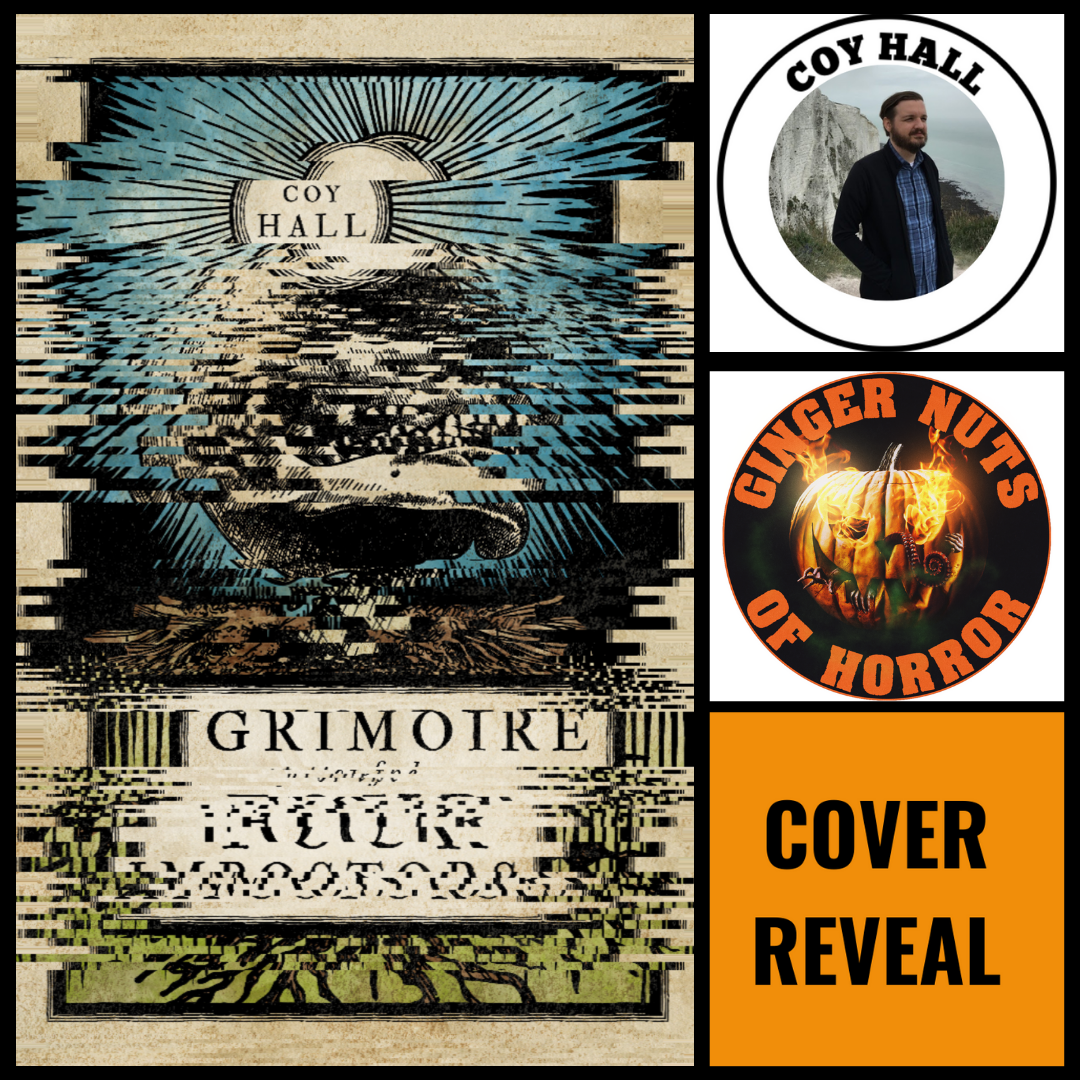
COVER REVEAL: NOSETOUCH PRESS TO PUBLISH THE DEBUT HORROR NOVEL OF AUTHOR COY HALLNosetouch Press announces the upcoming publication of the folk horror-influenced debut novel, Grimoire of the Four Impostors, by author Coy Hall, featuring several main characters—a monk, an executioner, occult scholar, and adventurer—each who encounter an impostor who subverts their knowledge of the world, opening their eyes to unimaginable horrors and dark truths. “Coy’s excellent work has turned up in several earlier Nosetouch Press collections, including the highly regarded The Fiends in the Furrows anthologies,” said David Neal, co-publisher and editor-in-chief of Nosetouch Press, referring to the two-volume folk horror anthology that has been mentioned in the Guardian and several short stories of which have turned up in Best of Horror Fiction compilations. “We’re really happy to feature his novel. He’s a great writer with a distinctive vision and literary style that calls to mind the greats of classic weird fiction.” A resident of Huntington, West Virginia and an associate professor with a Master of Arts in History from the University of Louisville, Hall’s expertise in European history of the 16th and 17th centuries and early 20th-century American history served him well in the crafting of the Grimoire. “Coy Hall brings an otherworldly mix of medieval and modern in his fiction,” said Christine Scott, co-publisher and creative director of Nosetouch Press. “This unique blend, as well as his evocative writing style makes for a powerful book that should captivate discerning readers of folk horror and darkly atmospheric fantasy/historical fiction.” Grimoire of the Four Impostors will be released on September 7, 2021, in hardcover, paperback, and ebook formats. Nosetouch Press is an independent book publisher tandemly based in Chicago and Pittsburgh, with a commitment to bringing classical book design and excellent fiction to readers. 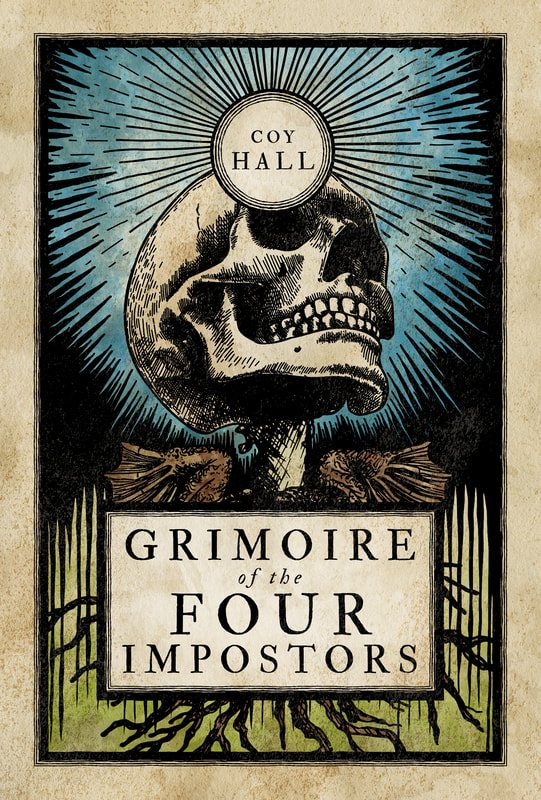 Journey into the Occult, Where History is Horror Presented in six tales, GRIMOIRE OF THE FOUR IMPOSTORS takes readers on a dark tour of the 17th century, where corners of the world stand in shadow. Here grimoires possess secrets, impostors beguile the unwary, temptation turns macabre, and the night is no friend. Embrace the Martyr Touch the Nightshade Taste the Brine Wield the Hatchet DECIPHER THE GRIMOIRE  Coy Hall lives in West Virginia with his wife, and they share a home with their clumsy Great Pyrenees. Coy splits time as an author of horror and professor of history. History guides his writing, with most of his stories set in the past – sometimes the real past, sometimes an imagined one, but most often a mix of the two. Find out more about his stories and novels at www.coyhall.com. TODAY ON THE GINGER NUTS OF HORROR WEBSITE RICHARD MARTIN REVISITS THE MASTERS OF HORROR: IMPRINT, DIRECTED BY: TAKASHI MIIKE THE HEART AND SOUL OF HORROR FEATURES  We are living in a golden age of horror on TV. Shows like ‘The Walking Dead’, ‘Supernatural’ and ‘American Horror Story’ have effectively taken the genre mainstream, offering weekly doses of gore and mayhem to the masses. Go back a decade or two however, and genre fans had far fewer options to choose from. Anthology shows, like ‘Tales From the Crypt’, ‘Monsters’ or ‘Tales From the Darkside’ were king during the horror heyday of the 1980s, providing cheesy and cheerful tongue in cheek horror in half hour bites. It wasn’t until 2005 that the TV horror anthology show got serious, and delivered arguably the most consistent, memorable and scary anthology show to date. The brainchild of horror legend Mick Garris, the show’s title is no hyperbole. ‘Masters of Horror’ brought together the best horror talent Hollywood (and beyond) had to offer. Episodes directed by undisputed genre luminaries such as John Carpenter, Tobe Hooper, Dario Argento and Stuart Gordon were like hour long movies brought to your TV screen. High production values, A-List talent and a free reign to do whatever they pleased resulted in some truly unforgettable work from a group of horror legends let off their leash. These are stories that have stayed with me in the fifteen years since many initially aired and, in this series, I’ll be revisiting all twenty-six episodes, one at a time, to shine a light on a fondly remembered and undeniably influential moment in horror TV history. Join me as I take a look back at; Imprint Directed by: Takashi Miike Starring: Billy Drago, Youki Kudoh, Michie Ito, Toshie Negishi Original Air Date: n/a Synopsis: An American Journalist comes to a lawless island searching for a former lover he had vowed to save from a life of prostitution, and discovers the terrible fate that befell her in his absence. Revisiting the ‘Masters of Horror’: ImprintHorror fans who watched Masters of Horror only when it first aired and haven’t revisited the show since may not recognise this episode. It is the only one of the twenty-six produced that never made it to screens in the U.S. and was only available as part of the subsequent DVD boxset, as it was pulled for extreme content. Masters of Horror initially aired on Showtime and, as a cable TV channel, there were far less restrictions in terms of content, allowing the various masters of horror to go as big as they wanted, or so they thought. Despite episodes coming from some of horrors most infamous directors (Tobe Hoope and Dario Argento to name just a few) it took Takashi Miike to finally cross the line. The prolific director of ‘Audition’ and ‘Ichi the Killer’ considers Imprint his scariest work to date and given the notoriety of some of his horror output, that is a hell of a statement. Watching it now, I can not only see why the episode was pulled, but also why Miike still speaks so highly of it to this day. Set in the late 1800s, the episode opens with Christopher (Billy Drago), an American journalist travelling to a remote island in Japan populated by criminals and prostitutes. The river that leads to the island is littered with dead bodies and, upon his arrival, he walks past cages filled with girls clamouring for the attention of the decidedly unsavoury looking locals. We soon find that he is looking for a woman named Komono (Michie Ito), and while the locals are suspiciously vague about her whereabouts, it is confirmed that she has been here. With a longer stay now on the cards he books a room for the night and is accompanied by one of the women (played by Youki Kudoh). At this stage we’ve been introduced to the two leads and while Billy Drago is always an engaging presence, Youki Kudoh is a scene stealer throughout the episode, her character getting to run the full gamut of emotions in the 60-minute runtime. She plays a deformed escort who, at first, comes across as meek and shy, opening up slowly as the episode progresses until she becomes completely in control of the situation and we see a whole other side to her. Couple this with flashback scenes, some of which we later find may not be the full truth, and it’s a big role that asks a lot, and Kudoh delivers. As the episode progresses Christopher asks her what became of Komono and she weaves him a story, shown to the viewer in flashback, of her tragic upbringing after her midwife mother loses her husband and can no longer afford to look after her. She finds her way to the brothel she now works at, where she met Komono, who was kind to her and the envy of the other women for her good looks and kind heart. Her story takes a sinister turn when the brothels Madam find a piece of her jewellery missing, and Komono is wrongly accused of taking it. She suffers terrible tortures at the hand of the vindictive Madam, and takes her own life rather than continue to suffer. Anyone who has seen ‘Audition’ before, knows all too well that Miike knows how to create a memorable torture scene, and the one inflicted on poor Komono is absolutely horrifying. After she has been burnt under her arms with incense sticks, she has needles pushed under her fingernails and through her gums, leaving her hanging by ropes from the ceiling to suffer until she confesses to a crime she didn’t commit. The whole scene is shown mostly in close up, few cuts, no music. It is unflinching, graphic and tough to watch and, one imagines, a big part of Showtimes reasons for not airing the episode. Upon hearing of Komonos death Christopher is obviously distraught, but he suspects that he has not been told the truth. The woman confesses that she was not entirely honest and retells the story with a few minor differences. Her upbringing appears to be more traumatic than her initial story suggested, her mother actually an abortionist and not a midwife, her father a violent alcoholic who she kills before being sold into prostitution. In this version of the story, she makes it clear that it was she who stole the Madam’s jewellery, leaving Komono to take the blame. Through these flashbacks, particularly those which focus on her childhood, we see another (and perhaps major) reason why the episode didn’t make it to air. Scenes of her mother working as an abortionist are shockingly explicit and I’m hard pressed to think of a TV show quite as graphic as Imprint is in showing such difficult subject matter quite so overtly. It is brutally honest to the point where it is difficult to watch, but ultimately important thematically to the story being told (as we will later find out).  Things start to get a little weird from here on out, as it turns out there have been a few more things left out of the story told to Christopher, namely that her actions were largely due to encouragement from her sister… who lives inside her head… literally! In a fantastic scene of body horror, completely out of left field, a hand grows out of her head and begins to talk. It transpires that this parasitic twin has been the one influencing her all along, compelling her to kill her father, steal the ring, and, as she finally confesses to Christopher, murder Komono. The episode wraps with some revelations about Christopher himself that make his ultimate incarceration and descent into madness after shooting the woman and her ‘sister’ dead, less tragic and more deserved but it is nonetheless a bleakly downbeat ending to an episode that has been a relentless assault on the senses since the opening scene. While I’ve talked a lot about how extreme and violent the episode is, it is also genuinely scary. The setting of 1800s Japan is depicted as a difficult and unforgiving place to live and the harsh realities of the impact of poverty is not shied away from. The whole thing is also beautifully shot and may be one of the most visually spectacular things Miike has committed to film. It is an incredibly well-made episode all round that I only hope fans are able to tolerate the subject matter and extreme violence enough to appreciate what an accomplishment this instalment really is. Imprint is well deserving of its reputation as the infamous episode too extreme for TV. I can’t imagine this airing now, almost fifteen years later. I, for one, am grateful the episode saw the light of day thanks to subsequent DVD releases because it is also one of the series best, and the work of a true Master of Horror, working without restraint and at the top of his game. Join me next time as I’ll be looking at episode one of the second season, Tobe Hooper’s ‘The Damned Thing’. See you then! If you missed any of Richard's previous Revisting The Masters of Horror articles, you can find links to them all here on our handy landing page THE MASTERS OF HORROR  Richard is an avid reader and fan of all things horror. He supports Indie horror lit via Twitter (@RickReadsHorror) and reviews horror in all its forms for several websites including Horror Oasis and Sci Fi and Scary TODAY ON THE GINGER NUTS OF HORROR WEBSITE COVER REVEAL: NOSETOUCH PRESS TO PUBLISH THE DEBUT HORROR NOVEL OF AUTHOR COY HALL THE HEART AND SOUL OF HORROR FEATURES
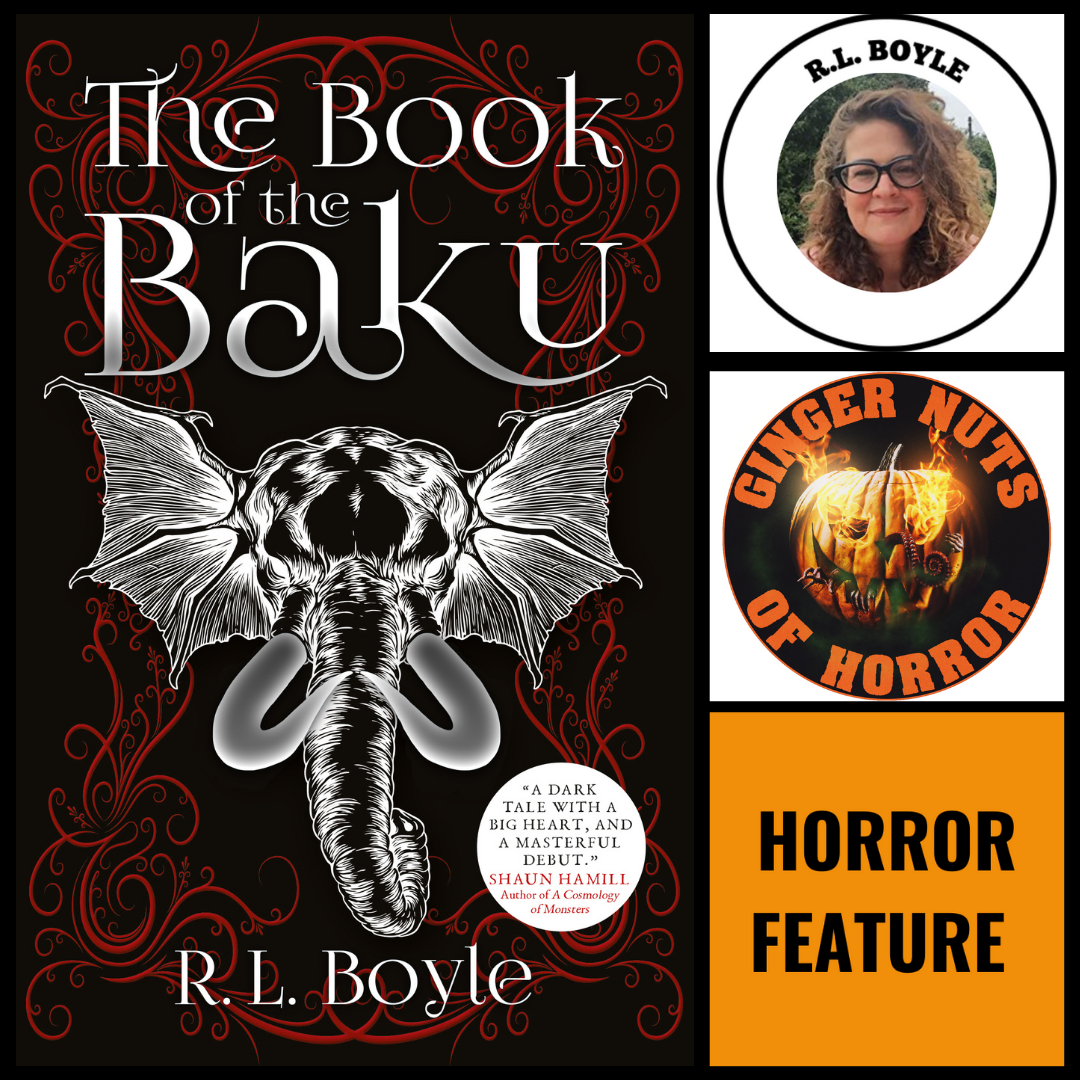
The Ginger Nuts of Horror website is honoured to welcome R.L. Boyle to the site with an article to celebrate the release of their new novel The Book of the Baku, published by Titan Books. THE Most Nightmarish Creatures in HorrorHorror fiction is populated by some of the most complex, intriguing characters ever created, and it’s difficult to know where to begin when deciding which are the most terrifying. I love them all, from The Phantom of The Opera to Bruce the Shark, Pennywise to The Pale Man. Each offer their own specific brand of horror, and as other characters fade to black, the best antagonists linger in our minds long after we turn the last page of the book or watch the final credits roll. Here are just a few of my personal favourites: The Bowler Hat Man from The Haunting of Hill House 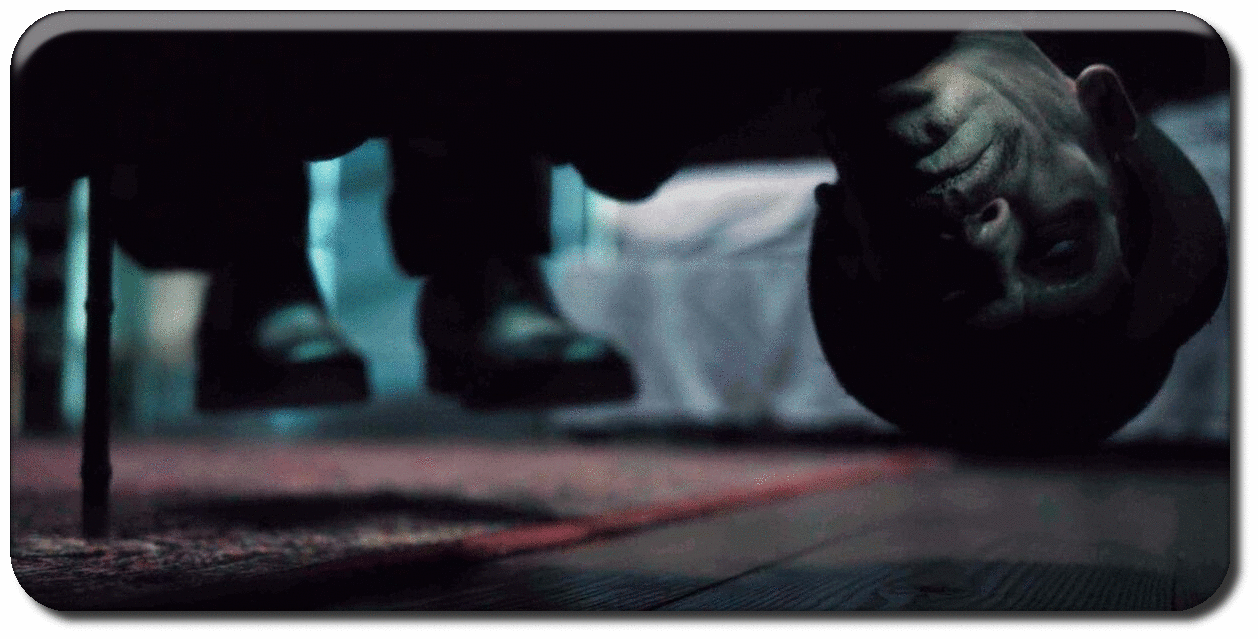 Whilst in Shirley Jackson’s timeless novel, where the house does all the haunting, the Netflix series introduced us to a new set of dark entities, and for me, the Bowler Hat Man was the scariest incarnation. His disturbing backstory, his Slenderman height, his relentless pursual of Luke, all these things are disturbing. But most chilling of all is the uncanny way his cane tap-tap-taps against the ground, even as his feet float a few inches above it. The way he glides calls to mind the mythical ferryman, Charon, using an oar to steer his boat across the River Styx. The Bowler Hat Man is otherworldly, floating eerily through the living realm, in which he clearly does not belong. Samara from The Ring 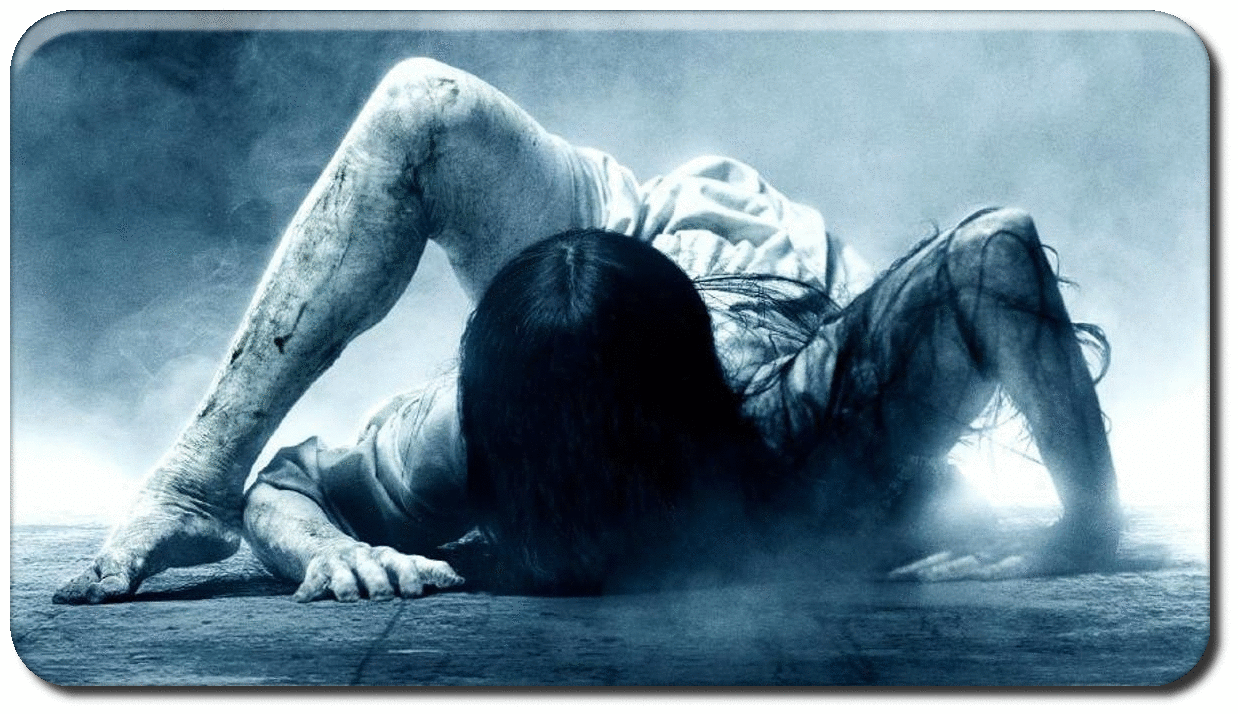 The dark, water-soaked hair, falling in dripping hanks across her face, the mouldering nightgown, the cadaverous tinge to her skin, and that energy of almost feral violence that radiates from her. Oh, and the fact she can kill you with just one look. If any kid deserves a spot in a list of nightmarish creatures, Samara qualifies. Samara was murdered by her own mother when she was twelve years old, yet there is nothing childlike about her vengeful spirit. Her stillness and composure are deeply unsettling, as are the two words she speaks into the phone after someone has watched her cursed tape. ‘Seven days.’ The voice is unmistakably that of a child, yet the measured tone belongs to someone far older. We never see Samara dispatch of her victims, only the ruins of their bodies, but with her ability to psychically imprint images on the minds of others, we know their last moments will have been spent in unendurable pain. It is an undeniable fact; kids can be damn scary. Annie Wilkes from Misery 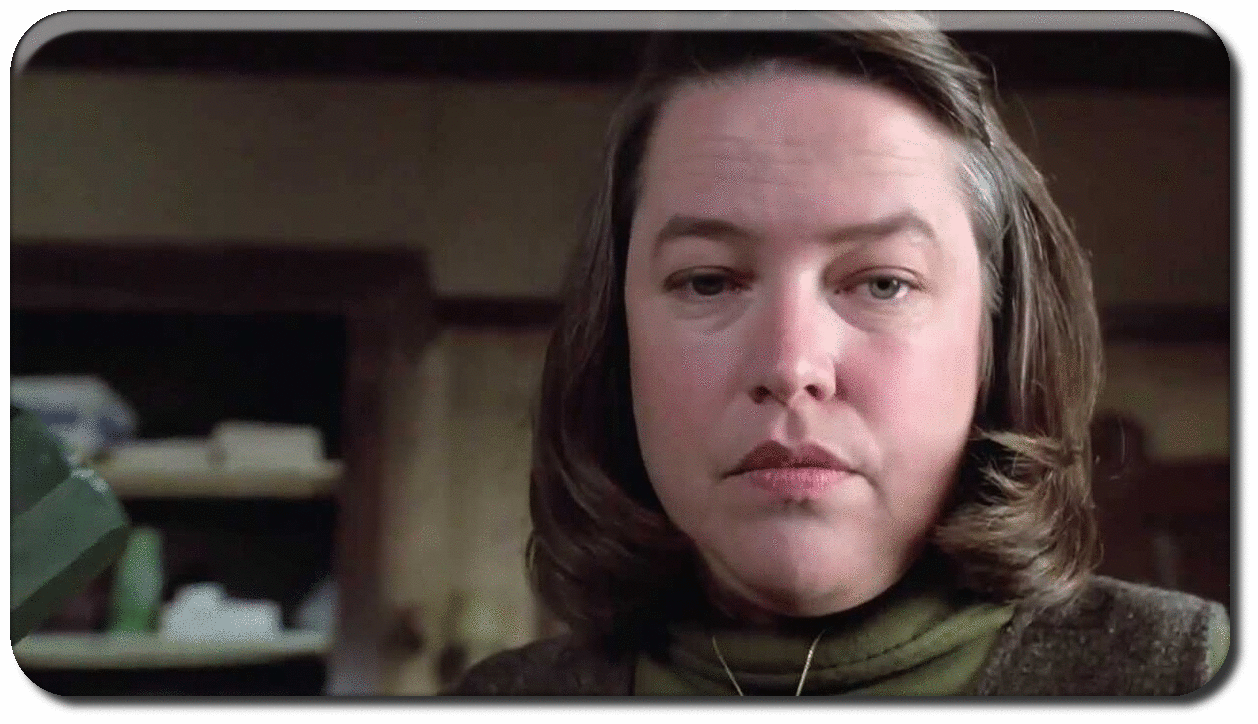 From the moment we meet Annie Wilkes, giving mouth to mouth to Paul Sheldon, we are left in no doubt that something about her is very wrong. … her lips were clamped over his again, lips as dry and dead as strips of salted leather, and she raped him full of her air again. Terrifying, unhinged, pathetic, sometimes funny, occasionally tender, and perhaps, even worthy of our sympathy. An axe-wielding Christian with a cockadoodie turn of phrase and a soft spot for trashy romantic fiction, able to flip from school-girl sycophancy to dead-eyed psychopathy. Annie Wilkes unsettles us, she entertains us, but above all else, she terrifies us. The phrase, ‘I’m your number one fan,’ will never sound innocent again. The Thing from The Thing 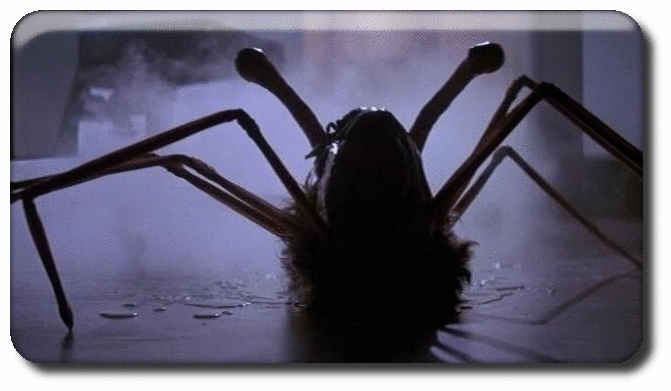 John Carpenter’s The Thing, based on a short story by John W. Campbell, is a parasitic extra-terrestrial life-form that assimilates and imitates organic life. There is good reason The Thing has a cult following today. Thanks to Rob Bottin, who headed up the special make-up effects, the ‘Chest Chomp’ scene has taken on an iconic status and can still make audiences shudder to this day… The doctor setting the paddles on Norris’s chest, his stomach splitting, exposing a jagged-toothed maw which snaps closed around the doctor’s wrists, severing his hands; the doctor, screaming as he lifts the spurting stumps of his wrists while slimy tentacles explode from the dead man’s chest cavity in a fountain of green gore; The Thing rearing upwards, Norris’s twisted visage speared on a cord of sinewy flesh, while on the table, his neck stretches like over-proved dough, and his original head breaks off, sprouts arachnid legs and scuttles away. Nauseating and mesmerising in equal measure, you don’t know whether to cover your eyes or applaud. Room 1408 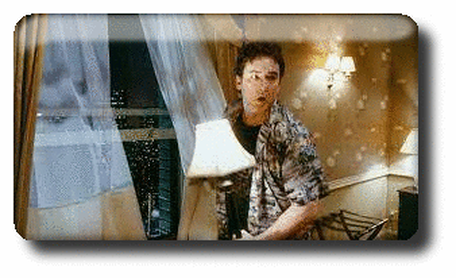 There are those who would argue against Room 1408’s inclusion on this list; after all, it’s a room not a creature, right? But when I read this short story, it seemed obvious to me that Room 1408 was sentient, that it possessed its own will and consciousness, that it was alive. Mike Enslin is an author who writes about haunted locations. He rents Room 1408 of the Dolphin Hotel, which is purportedly possessed by a dark force. Early on, we discover that even though Mike writes about the paranormal, he does not actually believe such things are real. Whatever it is that exists inside Room 1408 does not manifest in a physical way, but the very fact the danger remains faceless serves only to intensify the story’s dread. The walls shift and change, the ceiling bends. Mike’s thoughts become muddled, confused, and a voice – the voice of the room, perhaps – screams at him down the phone. There is something deeply unsettling about watching Mike, a hardened sceptic, descend so rapidly into abject horror, a horror so profound, he sets himself on fire in an attempt to free himself of it. THE BOOK OF the BAKU BY R.L. BOYLE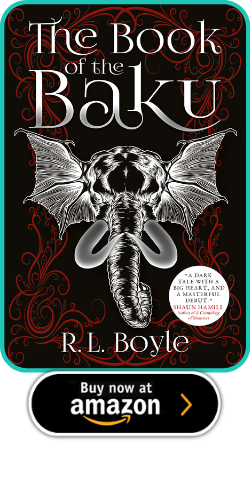 A Monster Calls meets The Shining in this haunting YA dark fantasy about a monster that breaks free from a story into the real world. Sean hasn’t spoken a word since he was put into care. When he is sent to live with his grandad, a retired author and total stranger, Sean suddenly finds himself living an affluent life, nothing like the estate he grew up in, where gangs run the streets and violence is around every corner. Sean embraces a new world of drawing, sculpting and reading his grandad’s stories. But his grandad has secrets in his past. As his grandad retreats to the shed, buried at the end of his treasured garden, The Baku emerges. The Baku is ancient, a creature that feeds on our fears, and it corrupts everything it touches. Plagued by nightmares, with darkness spreading through the house, Sean must confront his fears to free himself and his grandad from the grip of the Baku. "The Book of the Baku was one of the bravest and most impressive YA horror novels I have read in a good while. RL Boyle should now be on the radar of anybody with an interest in YA horror." - Tony Jones GNoH (read the full review here) R.L. BOYLE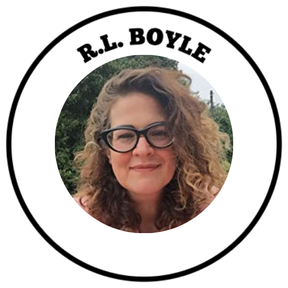 Rosanna Boyle studied Classical Civilisation at the University of Leeds, after which she worked in a variety of jobs – none of which had anything to do with her degree. Rosanna lives in Leeds with her husband and three sons. The Book of the Baku is her debut novel. TODAY ON THE GINGER NUTS OF HORROR WEBSITEBENEATH A PALE SKY BY PHILIP FRACASSI - BOOK REVIEW THE HEART AND SOUL OF HORROR FEATURES |


Archives
April 2023
|
 RSS Feed

|

|