


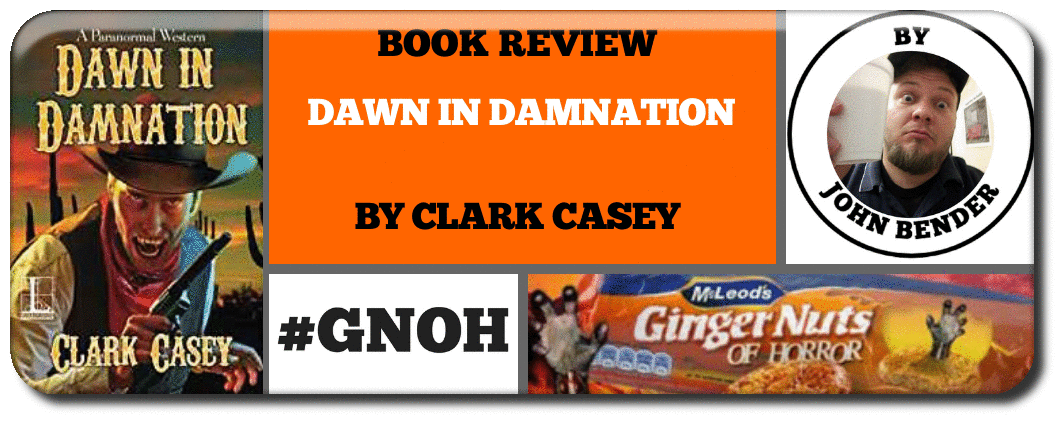
 One of the best things about reading horror fiction is the diversity in genre that exists within horror itself. You’ve got your standard variety of creature features, hulking slashers, quiet haunted houses, invasions of body and mind, and so forth, and so on. I especially enjoy when horror gets mashed up with other forms of genre fiction--check out books like Gabino Iglesias’ Zero Saints or Alan Baxter’s Manifest Recall for an intoxicating blend of crime and horror, as a small example. I devour stuff like that. Don’t get me wrong, I love my horror fiction pure and unadulterated, but sometimes, it’s a lovely breath of fresh coffin air to check out something a bit…different. Which brings me to one of horror fiction’s unsung heroes: the Weird Western. I’ve long detested that label. Weird western? Really? I wish we had stuck with the term that the old Razored Saddles anthology from the ‘80s tried to coin: “cowpunk.” Sure, it was done with tongue incredibly far in the cheek, as a soft jab at those who called themselves The Splatterpunks at the time, but…weird western? That’s the best we could do? Anyway. This particular flavor of dark fiction is known for combining elements of traditional pulp western fiction, with more fantastical elements of horror and fantasy. Simple enough, right? Right. Dawn In Damnation is an excellent entry point for anyone who is interested in this funky little corner of dark fiction. Damnation is a strange town, existing almost as a Purgatory for suddenly-dead travelers from the old West of the United States. The town is in a perpetual stay of dusk (or is it dawn?), with a dust storm clearly demarcating the town limits. New arrivals to Damnation always come stumbling out of the dust storm, but any attempts to venture back out into it always end with the explorer getting mysteriously turned around to where they began. The main attraction of Damnation is that its denizens no longer have to worry about dying. They’re already dead. No need to eat, or drink, really, but since there’s nothing else to do, everybody ends up drinking at the local saloon run by Sal. Some play poker to pass the time, others beg, borrow, or steal for drinks, because at least you can still get drunk in the afterlife. Tom is our narrator. He was a newspaper editor in life, and has taken it upon himself to chronicle the comings, goings, and various acts of violence that the locals of Damnation seem to love visiting upon each other. Oh, did I mention that there’s werewolves, and a vampire? The werewolves mostly keep to themselves, as they can be a rowdy bunch when they get down to serious drinking. The lone vampire of Damnation, a rather mysterious fellow known as Nigel, is incredibly bored and incredibly hungry. He cannot drink the blood of dead men--at one point, he compares it to “brackish water”--and such, only takes enjoyment from witnessing the occasional gunfight in the saloon or out in the street. He’s a dangerous wild card for the various heroes and villains of Damnation, and his backstory is surprisingly sad. Soon, a new arrival to Damnation threatens to shake things up quite a bit. It’s a woman, which isn’t exactly new, but this woman is pregnant, and she’s got a heck of a story to share. I’ll leave my vague plot summarizing at that. This story is a pleasant little treat for adventurous readers. Dawn In Damnation is presented as a series of vignettes in the everyday life of the town, as observed by Tom, and the story moves along on its main track quite well in the background. This novel leans a bit heavier on the “western” in weird western, but it served me well. Little tidbits of history and trivia from the western frontier boom in the US were sprinkled throughout, but it didn’t feel like a history lecture. The stranger elements of the novel were still there, but I felt they were downplayed a little. I really could’ve done with more spooky stuff, but there were a few key scenes that were executed very well. Without spoiling much, I’ll just say that there’s a showdown with the werewolves of Damnation that is a solid chunk of pulp action writing. Overall, I’d recommend this novel to readers starting to branch out into the many subdivisions of horror fiction, dark fiction, whatever you want to call it. Clark Casey delivers clean writing, subtle world-building, and twists on old tropes to this novel. The second in the series, Dead Indian Wars, is also available now, from Kensington’s Lyrical Underground Press. I should note, also, that Clark uses the term “paranormal western” to describe his stories, which I do like. 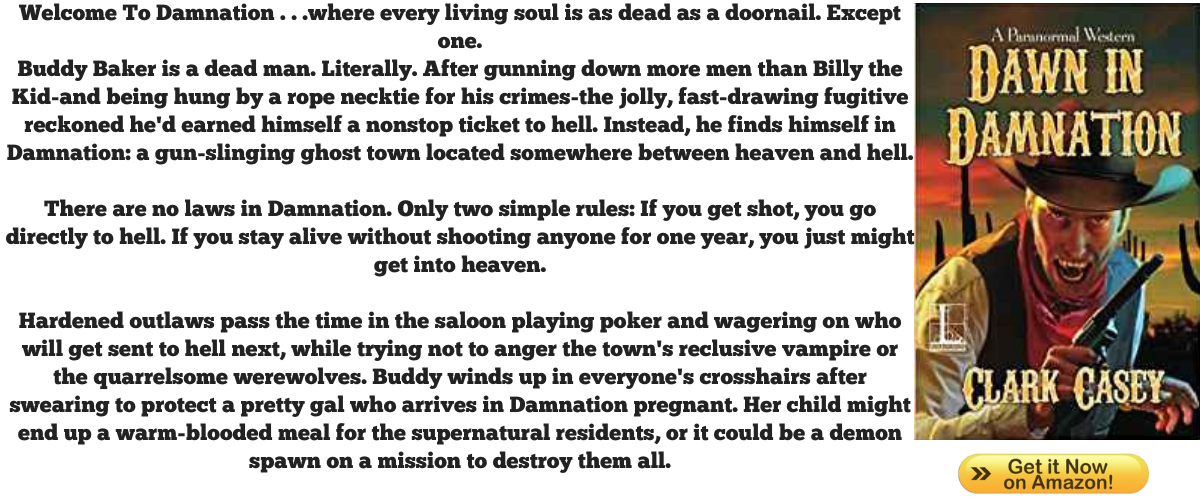 
Comments are closed.
|


Archives
May 2023
|

|

|
 RSS Feed