

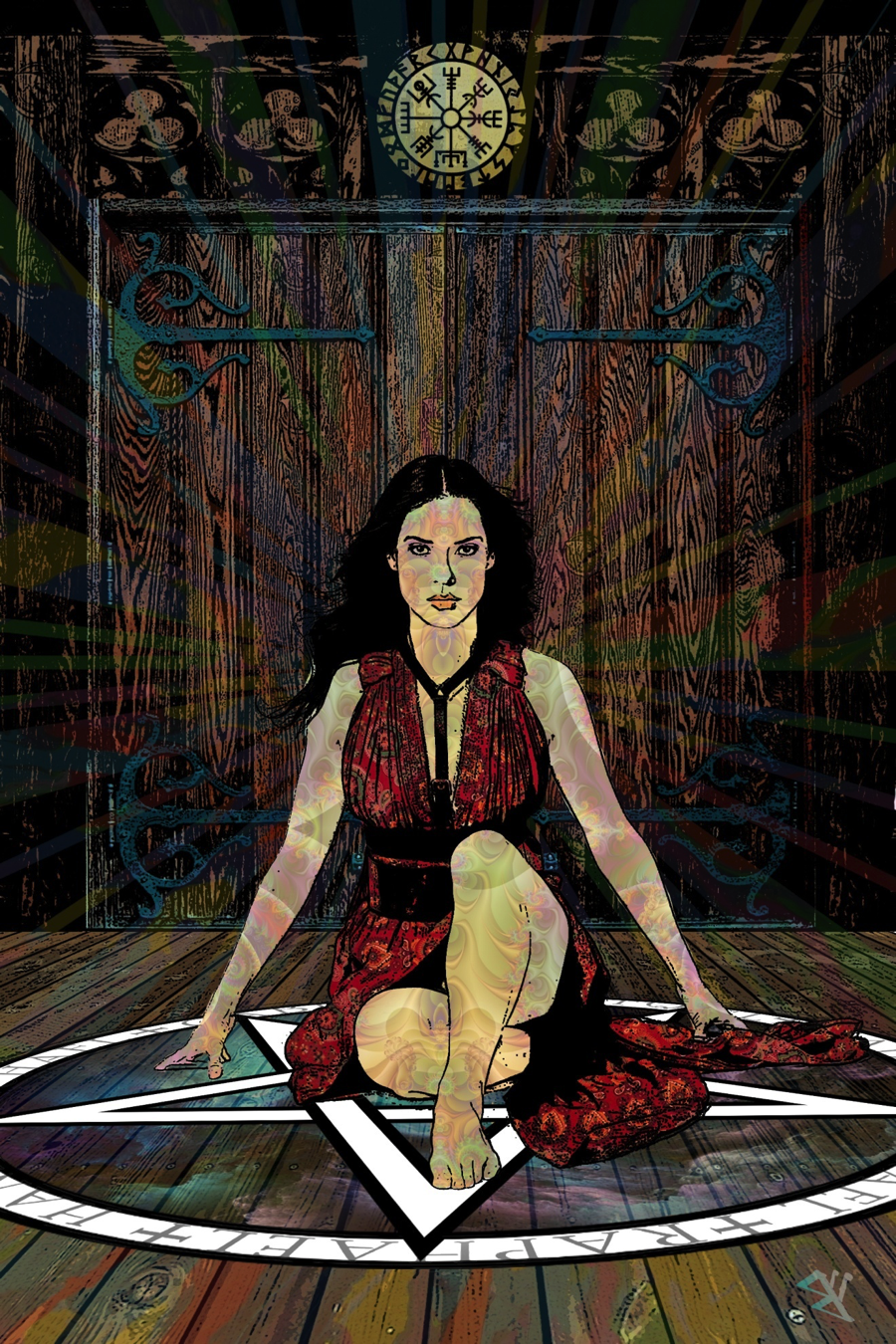
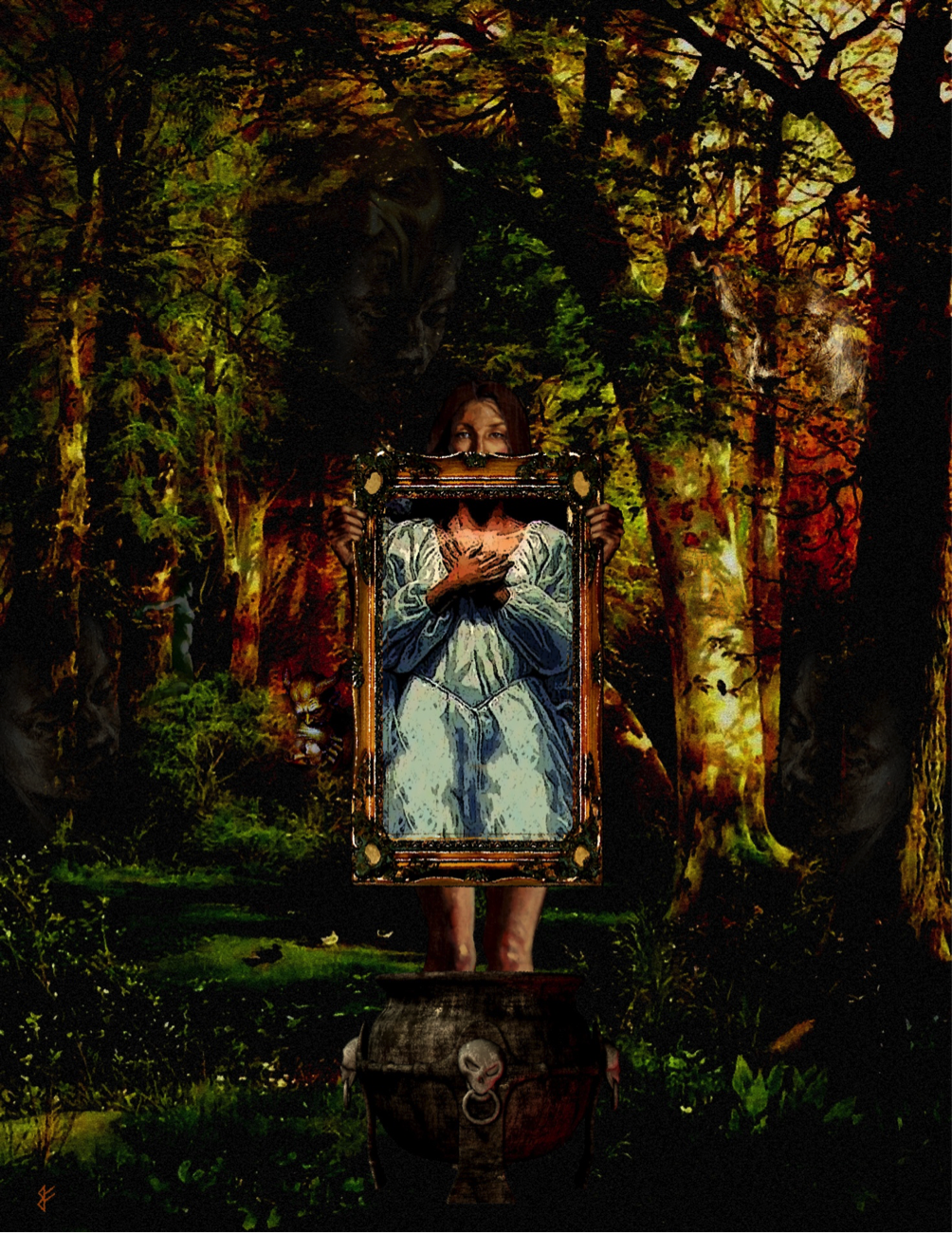
 Ginger Nuts of Horror launches a new series of interviews with the artists behind the book covers. To launch the series of interviews we are honoured to have our long term friend Bob Freeman pay us a visit. How did you first get into book design? It started when I first dipped my toes into the independant comic book scene in the 90s. Then, years later, after I started writing novels, I was surrounded by really bad cover art and a few ended up draped over things I'd written and I thought I could do better. I've been at it ever since and I've been lucky enough to cover some of my favorite authors — guys like William Meikle, Steven Shrewsbury, and Michael West. Would you say you have particular style or does it vary between projects? No. I approach every project differently and try to capture the atmosphere of the author's work appropriately. What’s your preferred medium to work with? These days I tend toward pen and paper to start and follow-up with Photoshop, but I have done everything from oils to watercolors to charcoal, depending on what the work calls for. And what’s your process from initial concept to final proof? There's still nothing better than brainstorming with a pencil in hand. The doodle is your friend. From there, its refined, over and over until some semblance of what the client is looking for takes shape. Then it's all assembled and addressed on the computer. What specific challenges or constraints do you face in designing a book cover, as opposed to a poster, an album cover, or other print design platforms? Size and the wraparound aspect, I suppose. I prefer to be more than just the artist. If I can handle the graphic design as well, more's the better, then I know where the word placement is handled. Some clients do not think those things through and I like it better when I have a more thorough hand in the whole process. Is working with an independent author different than working for a publisher? They both come with their own unique challenges. I find that most authors face similar issues when dealing with clients who are not artists. There is a language barrier that must be overcome. Trying to capture someone else's idea on paper is the hardest part of the process, often times because they seldom know what they want, but almost always know what they don't. What do authors need to know to have the best outcome when working with a professional cover designer? Be clear and precise, and most of all honest. The artist wants to deliver the best piece they possibly can. Clarity is a must. Do you usually read the book before designing the cover? In almost every case, though sometimes I am just presented with a couple of scenes that the author wants captured. Your job can sometimes be frustrating, when the publisher pursues a direction that you’re not 100% in agreement with, and you still have to comply. Do you think that designers should have more creative freedom? Well, I would be lying if I didn't say yes to this question. But the fact of the matter comes down to who is signing the check. They need to be happy. I need to eat. What in your opinion is your favourite book cover? And why is it your favourite? The first edition of my short story collection, That Olde Black Magick. It's moody, atmospheric, and tells a story. And what is the one cover from another artist that you wish you had designed? My favorite book cover, without a doubt, is Ken Kelly's Red Nails. It is evocative and feral and gets you right in the gut. While my favorite artist is Frank Frazetta, it's his nephew who brings home the prize. I aspire to create something as visceral as this. What’s the one design feature that annoys you the most on book covers? Stock images. Do you have any tips for authors who are self-publishing when it comes time for them to start thinking about their book covers, hiring designers, or any other part of the process? Be patient and be clear about what you want up front. What is the best way for any prospective clients get in contact with you? Email is your best course: caliburn@comteck.com Bob Freeman is an artist, game designer, paranormal adventurer, and author. He lives in rural Indiana with his wife Kim and son Connor. You can find him online at: TWITTER |


Archives
May 2023
|




 RSS Feed

|

|